Our Programme
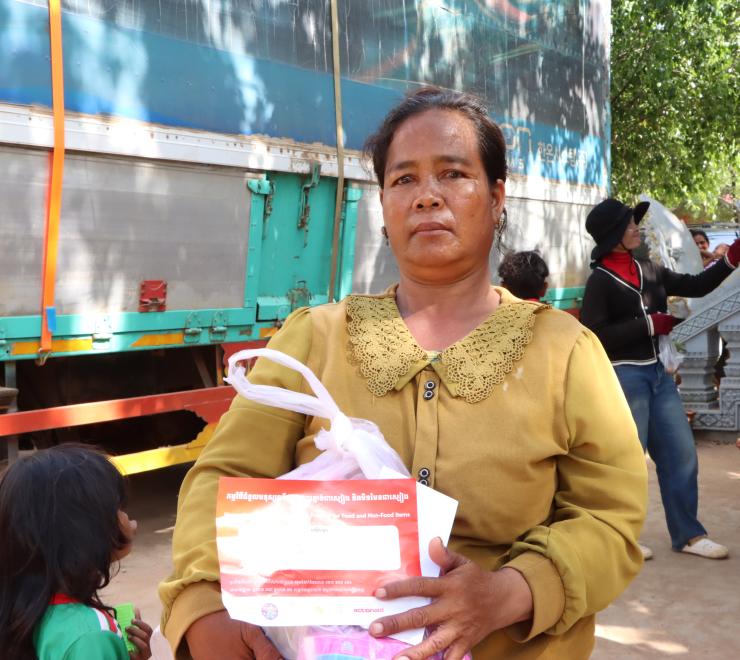
Change Statement: ActionAid envisages that Cambodians, especially women and young people, will be participating equitably at all levels to influence and achieve social, economic and climate justice that improves their quality of life through the just redistribution of resources, sustainable livelihoods, and access to free quality public services.
ActionAid Cambodia Country Strategy Paper 2023-2027
Our Programme Priorities
Climate Change and Resilience Building
Women and young people lead increased resilience to climate change and access to resources for sustainable livelihood in their families and communities.
Strategic Outcomes
- Climate change adaptation and disaster risk reduction
- Sustainable livelihood ‘resilient livelihood models’ and access to resources
- Influenced policies and accountability of state and private actors in natural resource management, agroecology practices and climate justice
Quality Education, Technology and Resilient Life Skills
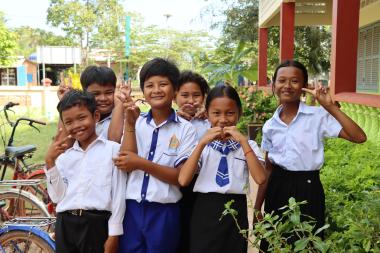
Children have improved access to quality education and technology training which incorporates resilient local life skills.
Strategic Outcomes
- Improved quality of teaching through creative teaching methodologies
- Enhanced education for all children and young people which responds to their grade level and ICT skills requirements; and improved social skills through resilient life skills education
- Improved monitoring of quality education in schools through strengthened community participation and ownership and empowered School Management Committees (SMC)
- Influence on education policy and practice at the national level and beyond
Resourcing for Gender-Responsive Public Services
Increased public participation in influencing economic governance and state accountability for the just redistribution of resources and delivery of quality, gender-responsive public services.
Strategic Outcomes
- Increased national and sub-national budget allocation for gender-responsive public services including education and health in target areas
- Increased public participation and state accountability on economic governance practices and the just redistribution of resources
- Strengthened leadership of women and young people to advocate and dialogue on gender-responsive education and health services
Child Sponsorship Programme
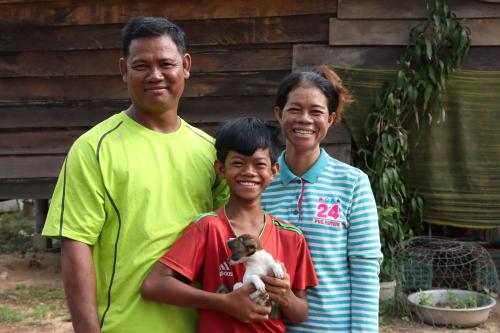
- What is Child Sponsorship: Child Sponsorship is a transformative partnership that empowers children and strengthens communities. By providing essential support and fostering a personal connection, sponsors play a vital role in helping children reach their full potential. Through education, healthcare, and community development initiatives, we work together to build a brighter future for children in Cambodia.
- Nurturing Young Minds: We believe in creating a joyful and enriching environment for our sponsored children. With a focus on child protection, we organize fun activities, games, and creative workshops. Children also cherish the opportunity to connect with their sponsors through letters, photos, and even visits, fostering a deep and meaningful bond.
- Become a Child Sponsor: Become a part of something extraordinary. As a child sponsor, you'll join a compassionate community dedicated to making a difference. Your generous support will provide essential resources and opportunities for a child, while also contributing to the overall well-being of their community. Together, we can create lasting change.
- Your Impact: Witness the magic of your sponsorship first-hand. Receive heartfelt letters, photos, and regular updates that highlight your sponsored child's progress and the positive impact of your support. Our detailed reports will keep you informed about the community development initiatives made possible by your generosity. Your involvement is a journey of growth, connection, and fulfilment.
Campaign
Campaign is core to ActionAid’s theory of change and is one of the pillars of our Human Rights Based Approach (HRBA). We aim to support people living in poverty and exclusion to carry out and lead their campaigns, not just to campaign on their behalf. We also collaborate and build alliances or coalitions for collective action and social movement.
Emergency Response
As part of climate change adaptation and disaster risk reduction of the climate change and resilience building programme, AAC works to empower and drive a transformative women-led emergency preparedness, responses and prevention through strengthening agencies of women and young people, especially in remote areas to promote their meaningfully participation and leadership in local and sub-national governance and disaster prevention and responses. We engage and support young people, especially young women, to engage in capacity development activities that will empower them to develop action-oriented and evidence-based research to influence decision-making on climate change mitigation and disaster risk reduction strategies in their local communities.
ActionAid Cambodia in Disaster Risk Reduction and Climate Change Adaptation Work